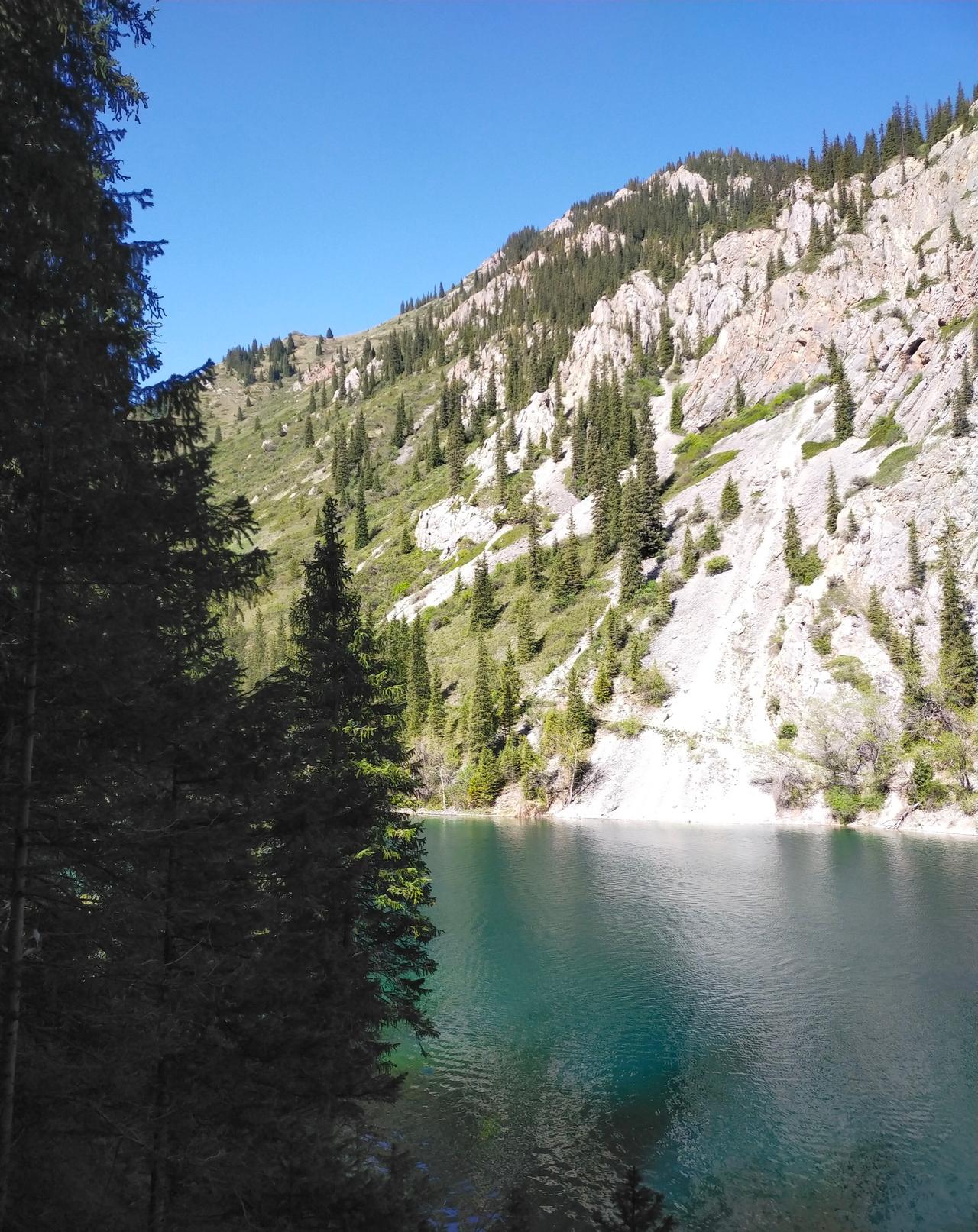
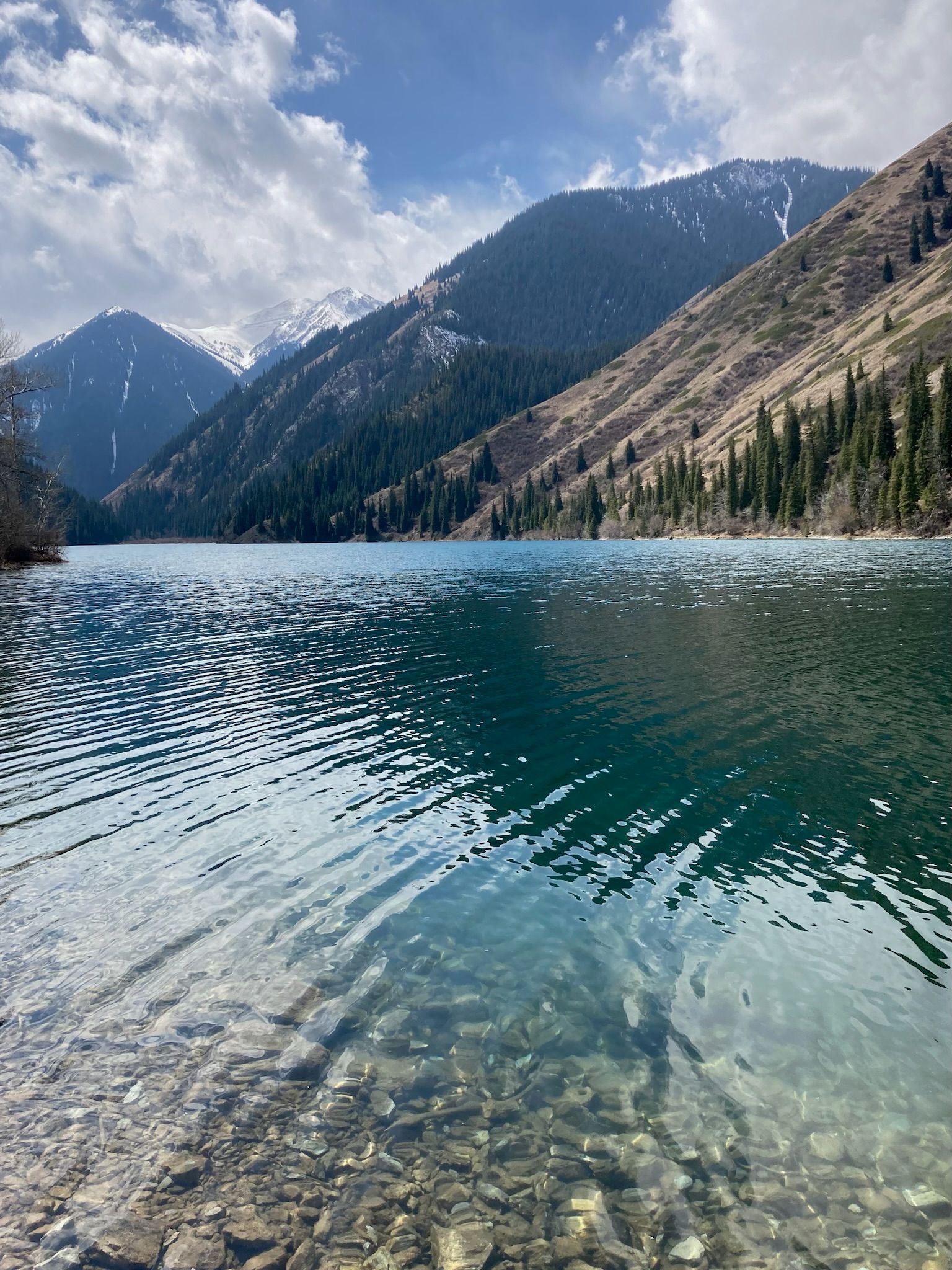
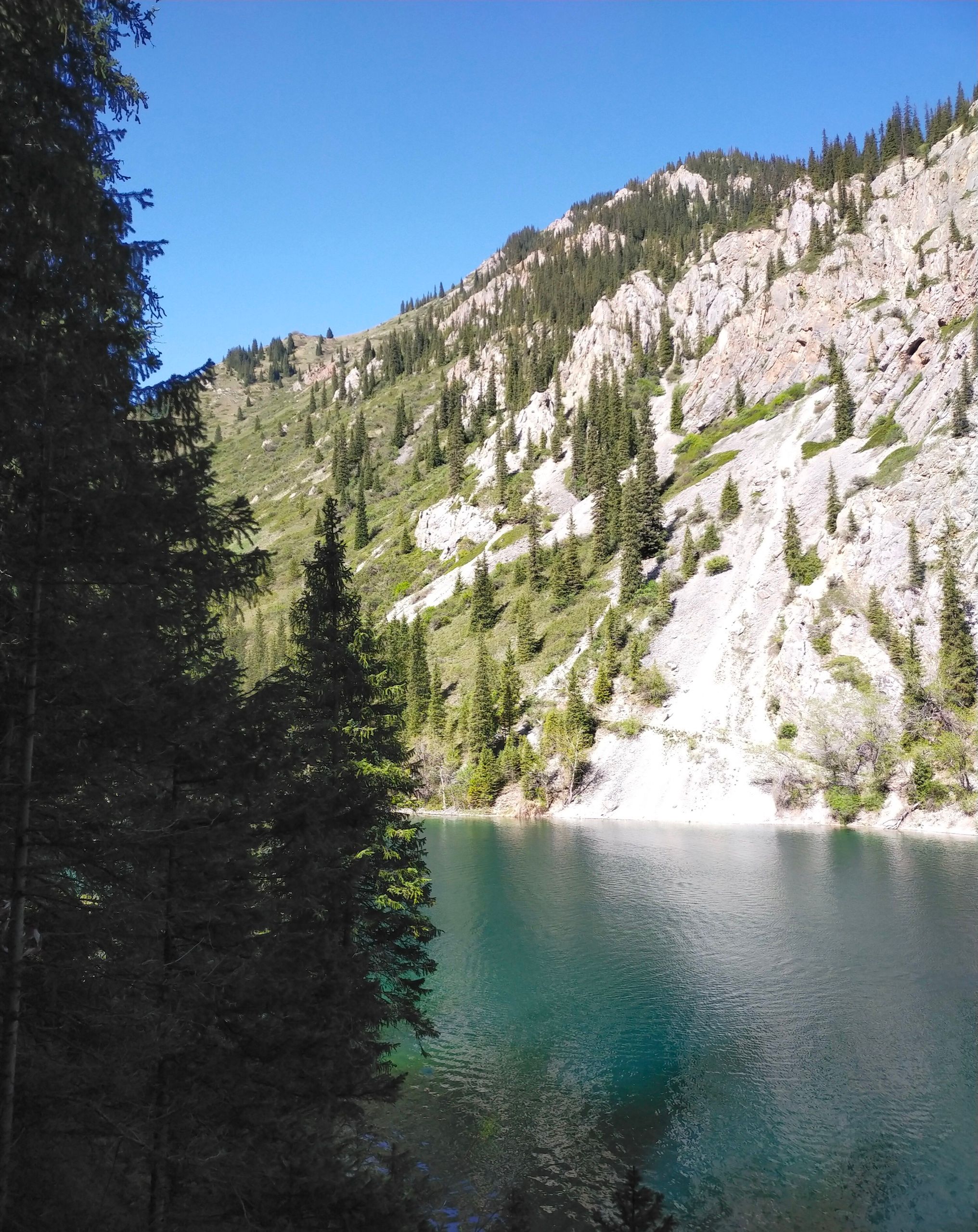
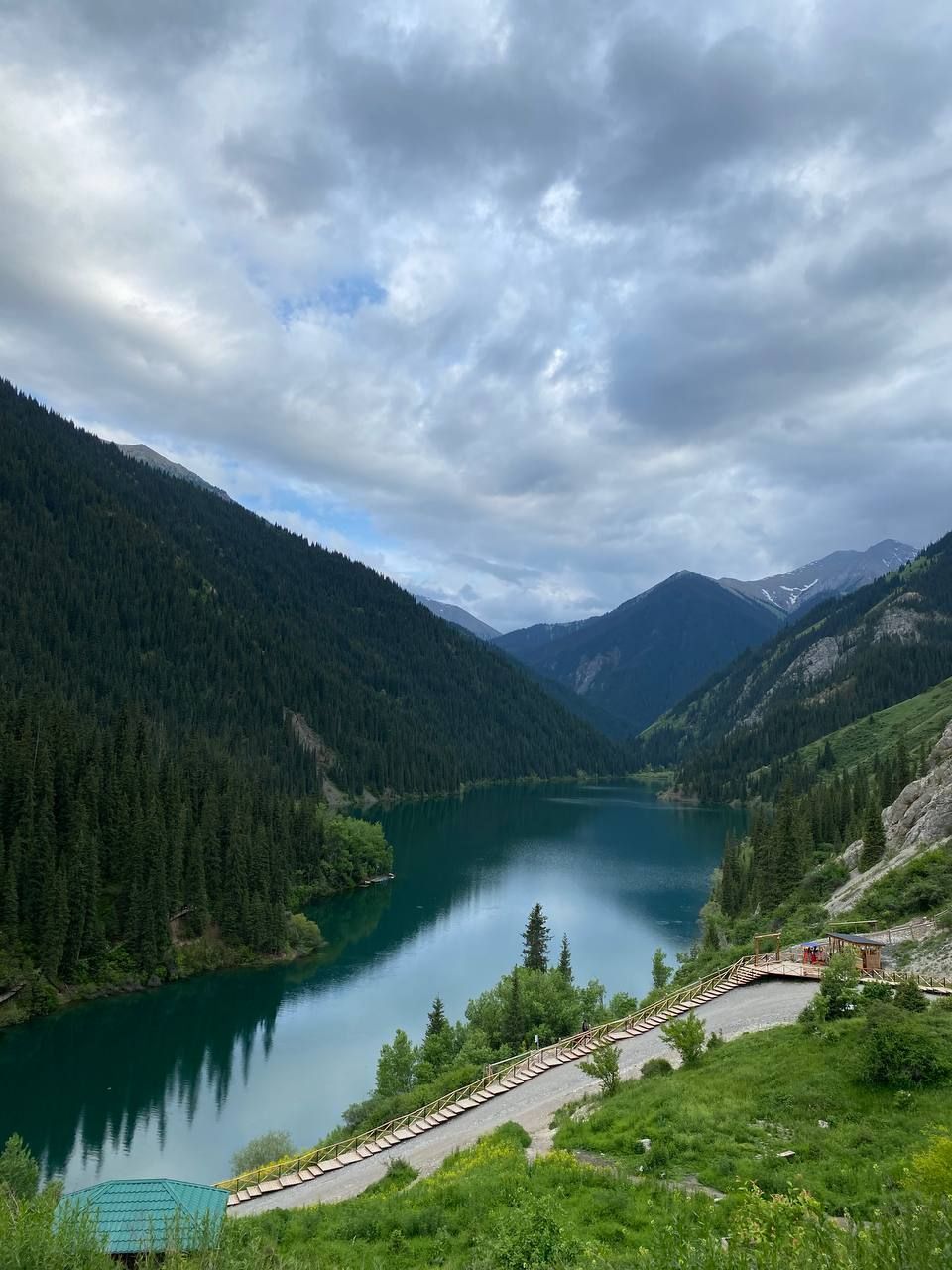
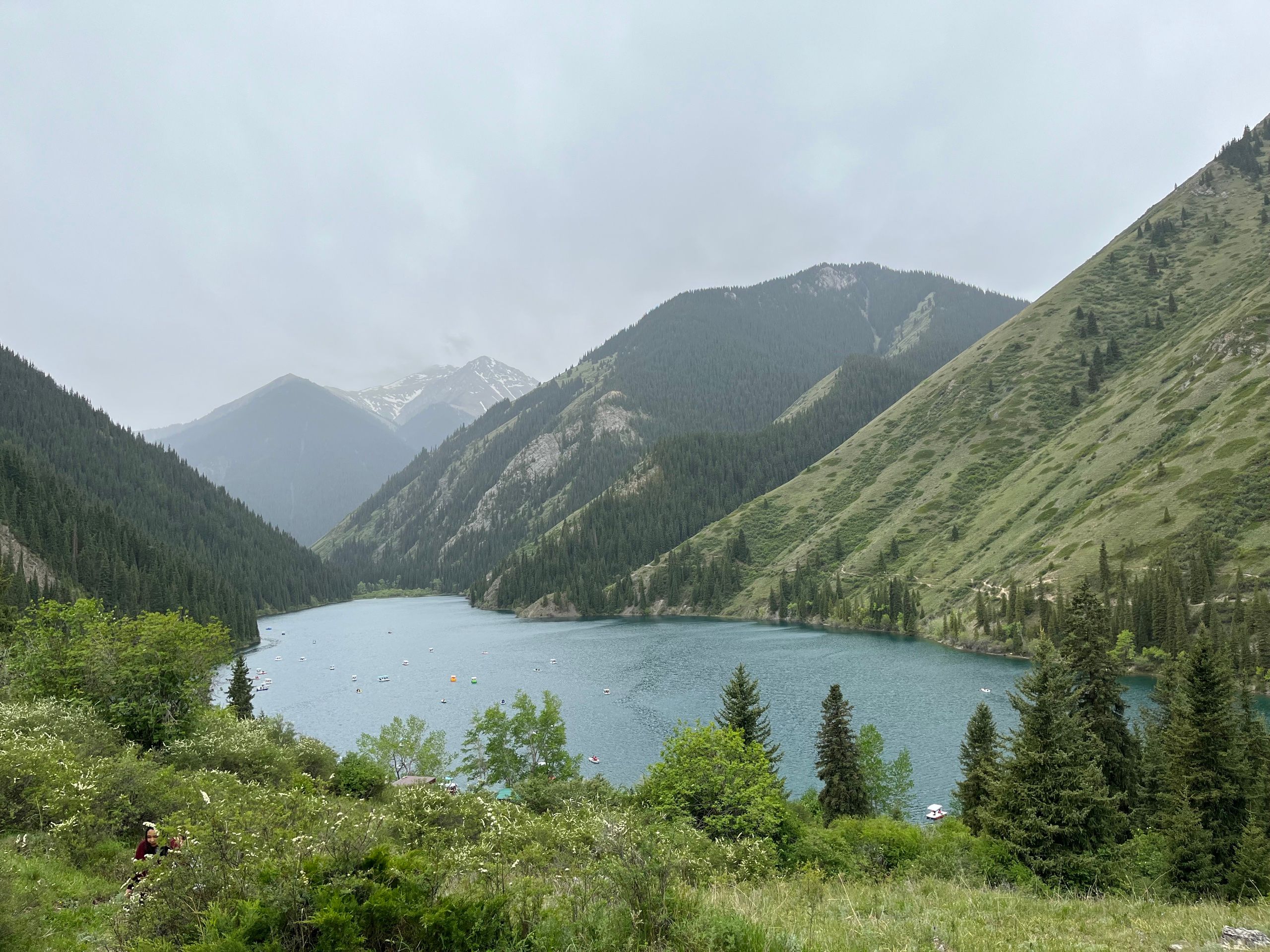
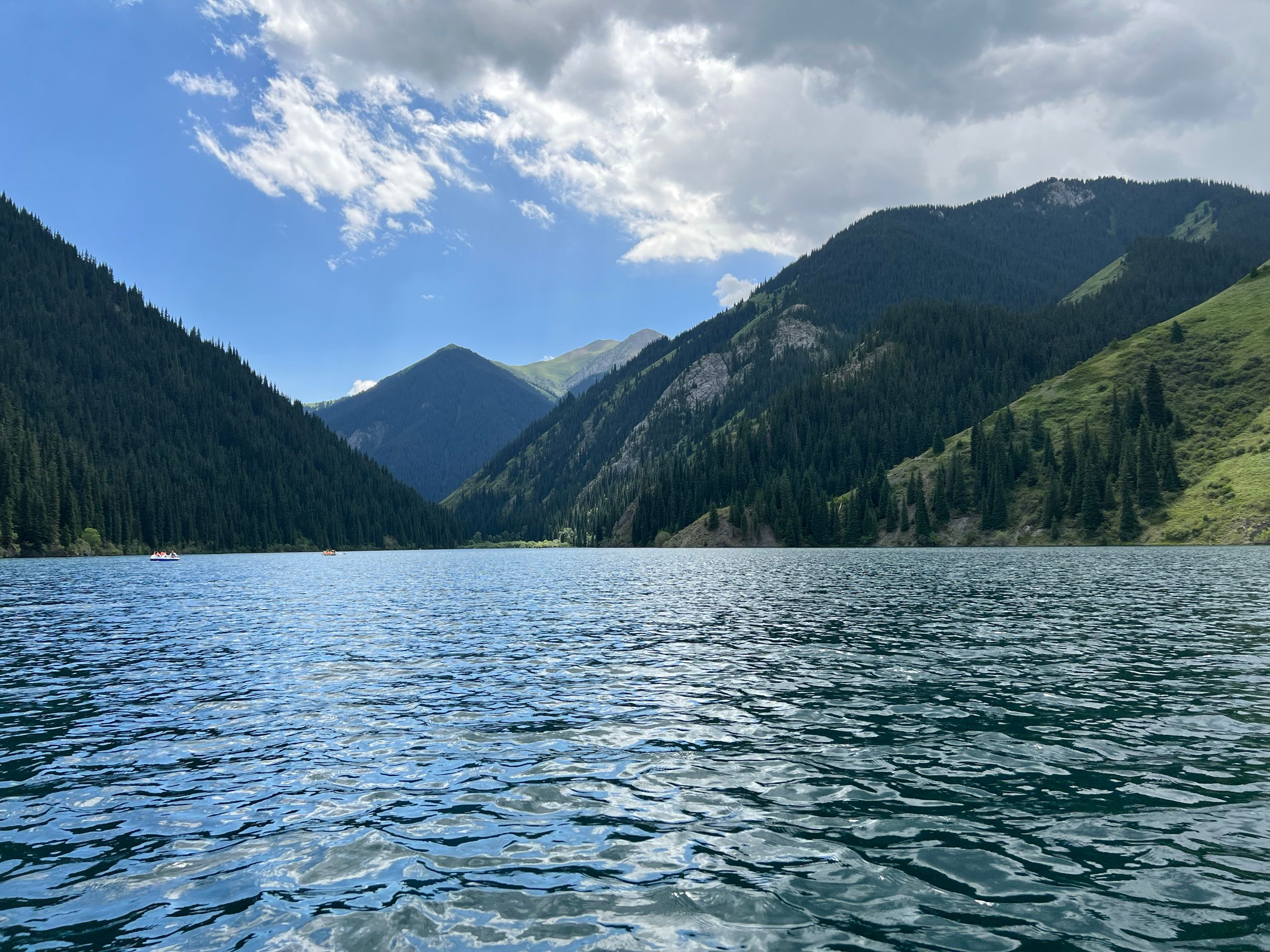
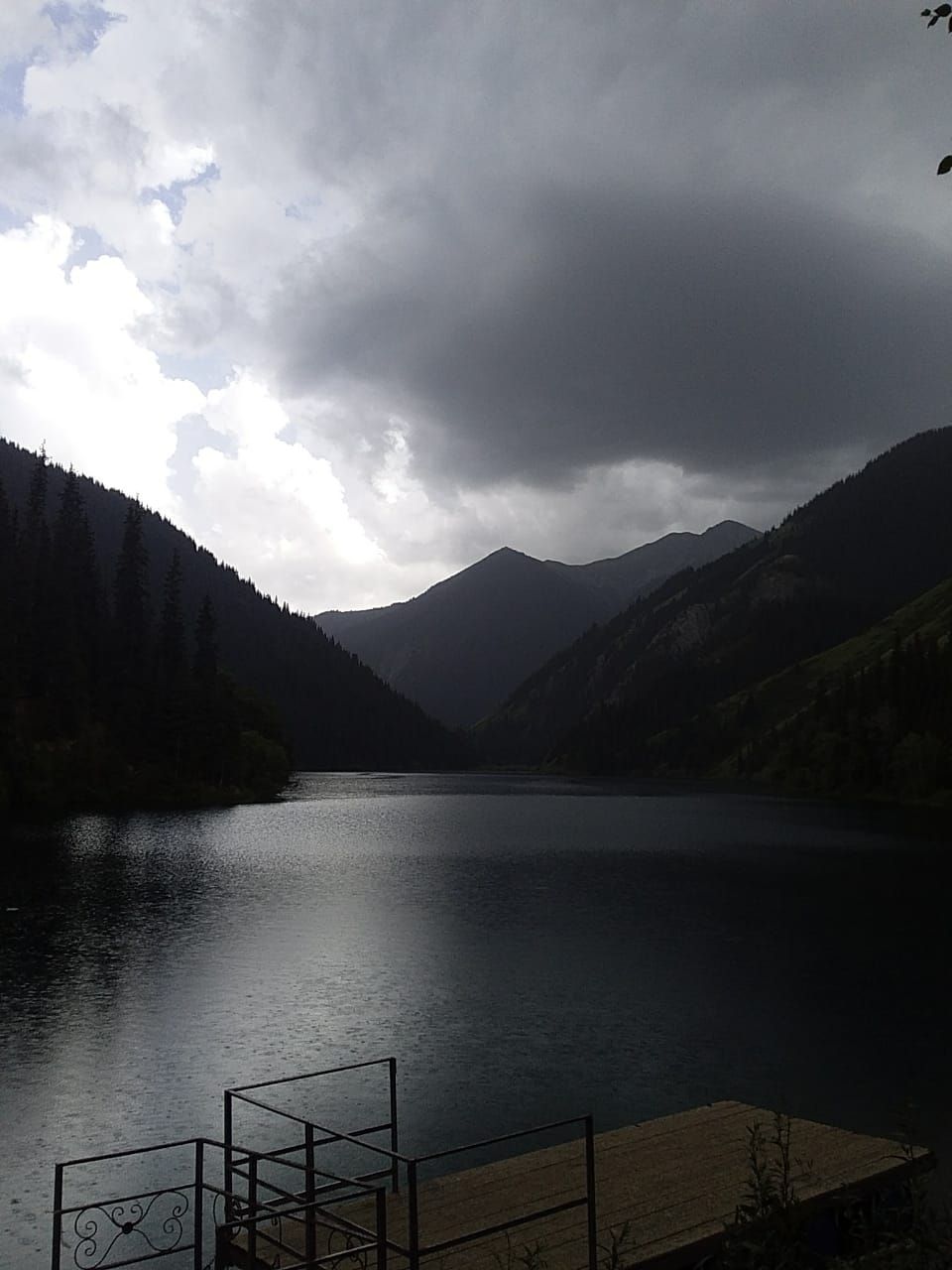
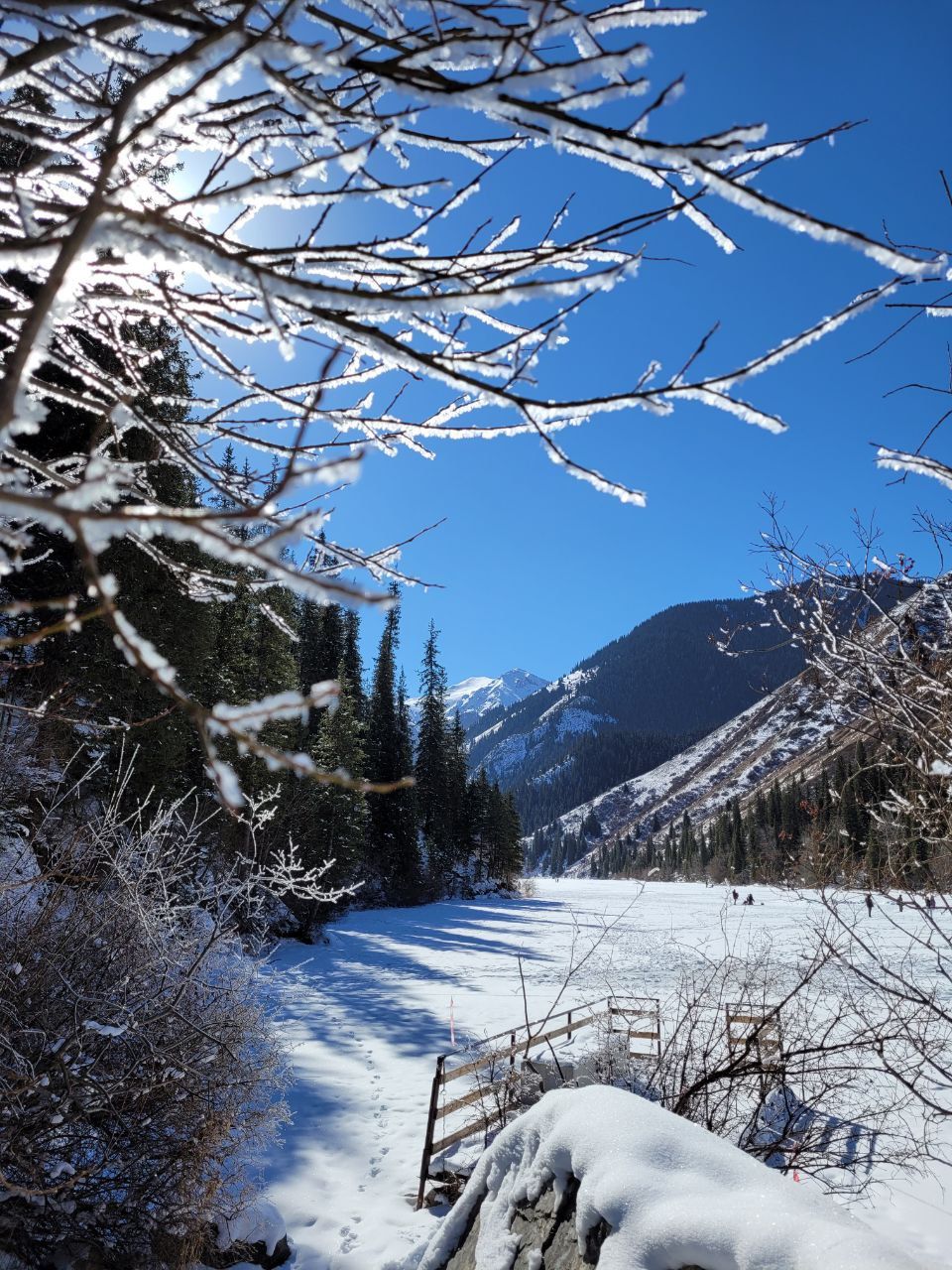
The lakes formed from natural dams. Earthquakes — frequent in the Tian Shan — sent landslides crashing down the slopes and blocked the Kolsai River channel. Most of the area's lakes formed this way; Lower Kolsai and neighboring Lake Kaindy are tied to events between 1887 and 1911.
The Northern Tian Shan is a relatively young range: its modern uplift began in the Cenozoic (~25 million years ago), though the basement rocks are far older — Paleozoic. Kolsai sits on the southeastern edge of the Trans-Ili Alatau, just 10 km from the Kyrgyz border.
The Kemin earthquake of 3 January 1911, magnitude ~8.0, killed 452 people in Verny (modern Almaty) and destroyed over 770 buildings. Surface ruptures stretched 200 km. The same seismic event triggered the landslide that created Lake Kaindy and shaped today's Kolsai cascade.
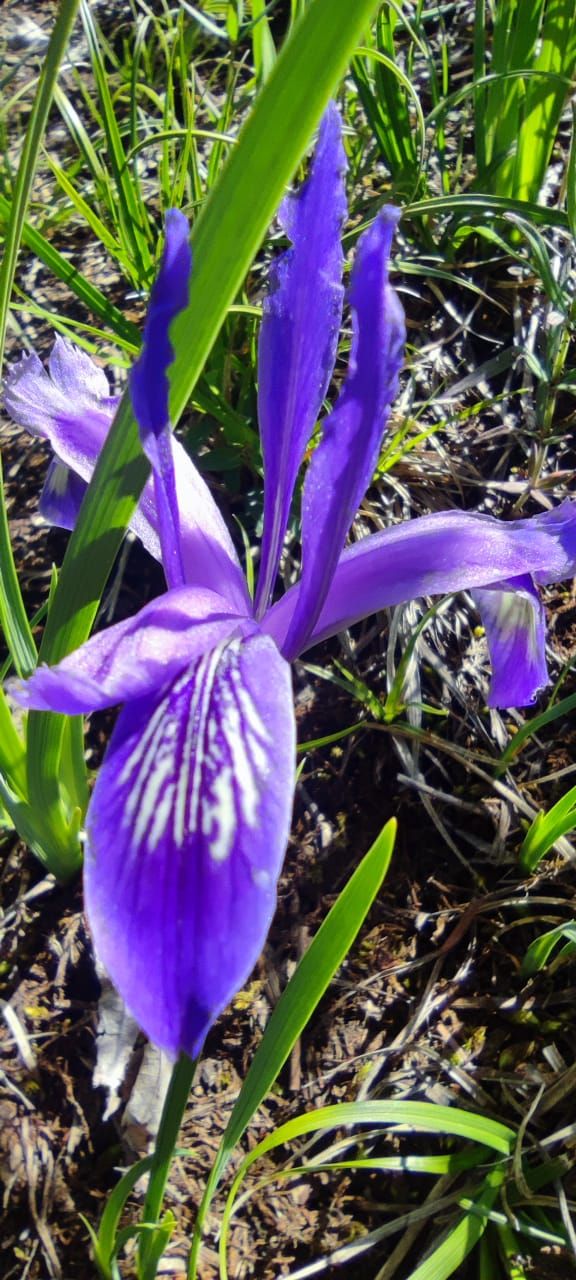
The park's biodiversity is striking: 50 mammal species, 197 bird species, 704 plant species (12 rare). Flagship species include snow leopard (Panthera uncia), Tian Shan brown bear, Turkestan lynx, ibex, argali, and marmot. The forest is dominated by Schrenk's spruce (Picea schrenkiana), with apricot, barberry, edelweiss, and hawthorn around the edges.